
Biden wants bipartisan support for infrastructure, but GOP and Dems are already drawing battle lines

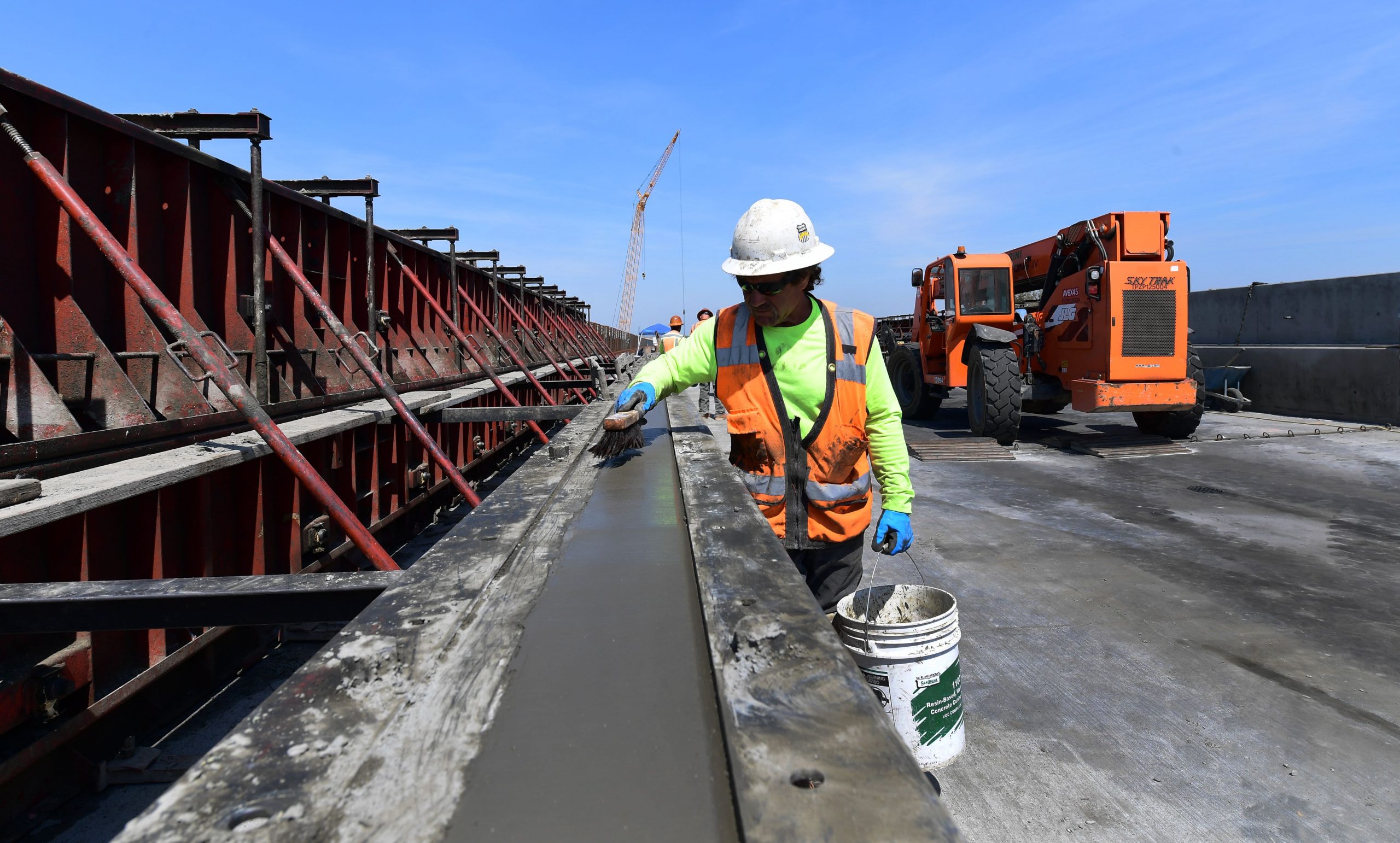
President Joe Biden wants his infrastructure overhaul plan to win bipartisan support, but lawmakers behind the scenes are starting to draw battle lines around what should be in the legislation – and how to pay for it.
In recent meetings with Biden and his top aides, lawmakers from both parties suggested breaking up the bill along different lines, according to some attendees.
Democrats proposed breaking up the projects from the pay-fors: One measure would include the building proposals that both sides of the aisle seemingly would back. The other would include a set of provisions to cover the costs – including raising taxes on gas, corporations and electric vehicles – that have already attracted GOP criticism and would likely only pass along party lines.
Republicans, conversely, have suggested they could back a tax on carbon emissions – seen as a more predictable financial penalty for fossil fuel companies, unlike regulation that halts drilling and could change with each administration. Or, they could back a trust fund with diversified sources of revenue from several smaller tax changes or cost cuts.
But they made it clear that they won’t sign on to a bill they see as „hijacked,“ in one lawmaker’s words, by the administration’s clean energy interests.
„If the Democrats want to run a climate bill they know is going to be much more contentious than helping to come together and rebuild our roads and bridges, that’s what they need to use the reconciliation process for,“ Rep. Rodney Davis, R-Ill., told CNBC following a meeting at the White House.
Reconciliation is the congressional process that allows policies with an impact on spending or revenue to pass the Senate with a simple majority. It has been used for landmark and potentially legacy-defining proposals when bipartisan support has been elusive – like with the Bush and Trump tax cuts, Obamacare, and, most recently, Biden’s pandemic relief plan.
Rep. Peter DeFazio, D-Ore., who chairs the House Transportation and Infrastructure Committee, said the rules governing the process would likely strip out large swaths of a bill because their impact on the federal budget is deemed unclear or immaterial.
[ad_2]
Source