
U.S. says Saudi crown prince approved Khashoggi killing, imposes visa restrictions on 76 Saudis

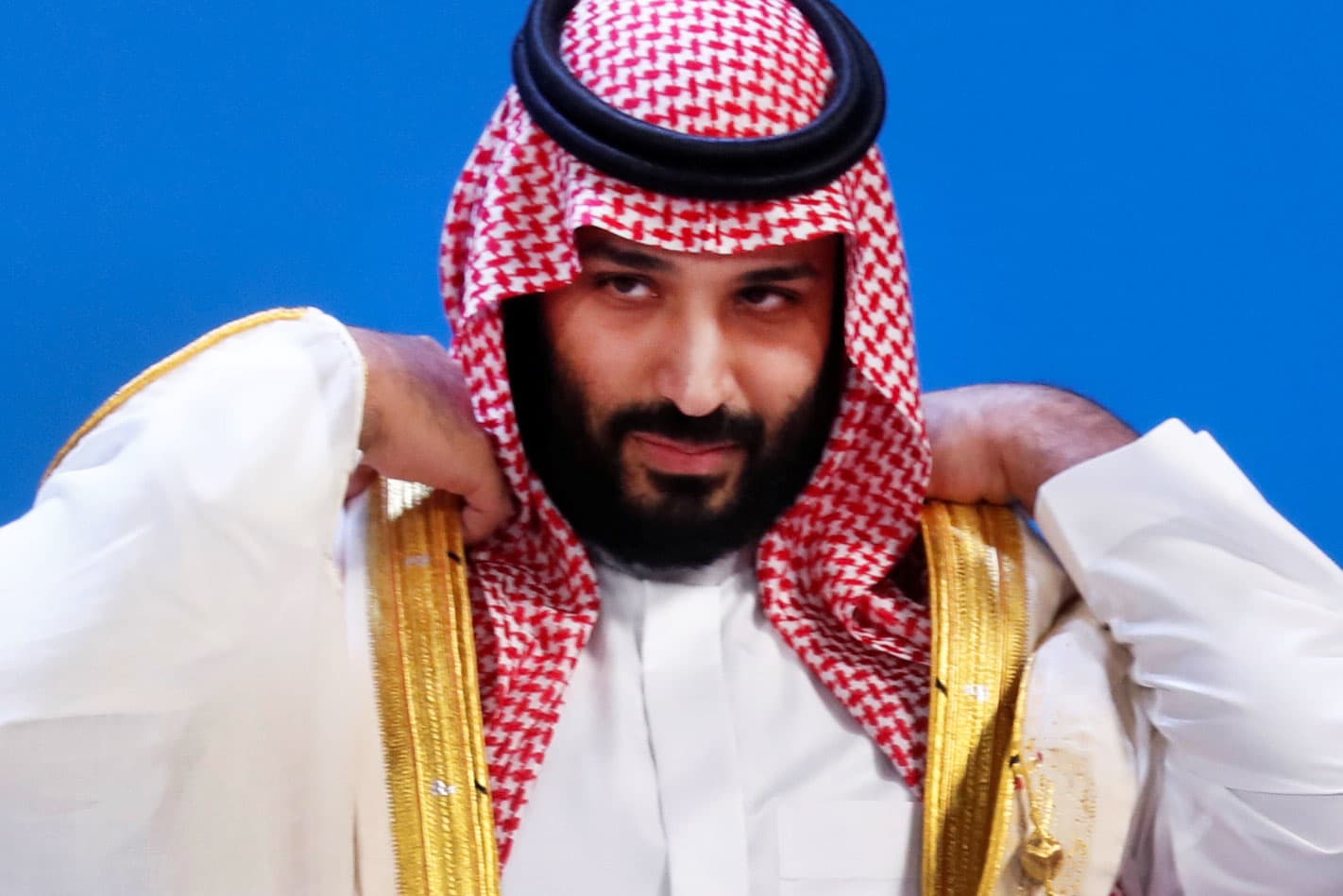
Saudi Crown Prince Mohammed bin Salman approved an operation to capture or kill journalist Jamal Khashoggi in 2018, according to a U.S. intelligence report that could further strain U.S.-Saudi relations as the White House reassesses ties with Riyadh.
The report by the Office of the Director of National Intelligence, released Friday, cited the crown prince’s control of decision-making in Saudi Arabia as well as the involvement of a key advisor and members of the prince’s protective detail in the operation that killed Khashoggi, a critic of the royal family.
Also Friday, Secretary of State Antony Blinken imposed visa restrictions on 76 Saudi individuals whom are „believed to have been engaged in threatening dissidents overseas, including but not limited to the Khashoggi killing.“ A State Department spokesperson would not provide the names of those individuals, saying visa records are confidential under U.S. law.
However, The New York Times reported that the Biden administration would not penalize the crown prince for Khashoggi’s killing. The White House decided such action would have too high a cost on U.S.-Saudi cooperation in the areas of counterterrorism and confronting Iran, according to the Times.
Blinken said the restrictions are part of a new „Khashoggi Ban“ that will bar visas for people acting on behalf of a foreign government who are believed to have engaged in „serious, extraterritorial counter-dissident activities.“
When asked why the crown prince was not among those facing punishment, Blinken emphasized the importance U.S. interests and not rupturing relations with Saudi Arabia.
„And so what we’ve done by the actions that we’ve taken is really not to rupture the relationship but to recalibrate to be more in line with our interests and our values,“ Blinken told reporters at a press conference. „And I think that we have to understand as well that this is bigger than any one person.“
The Treasury Department on Friday imposed sanctions on the crown prince’s security detail, known as the Rapid Intervention Force. It also sanctioned the former deputy head of the kingdom’s intelligence service, Ahmad Hassan Mohammed al-Asiri, who is accused of being a ringleader in the plot.
[ad_2]
Source